
Maintenance
Deicing Salt and Concrete Driveways
Chloride based deicers, including magnesium chloride and rock salt, accelerate surface scaling on concrete by increasing the number of freeze cycles at the surface and drawing more water into it. New concrete should see no deicer at all through its first winter. After that, use them sparingly, remove snow mechanically, and use sand for traction.
How deicers damage concrete
Deicers lower the freezing point of water on the surface, which produces more freeze thaw cycles in the top layer of the slab and pulls more water into it. The result is scaling, where the surface flakes away and exposes aggregate.
First winter rules
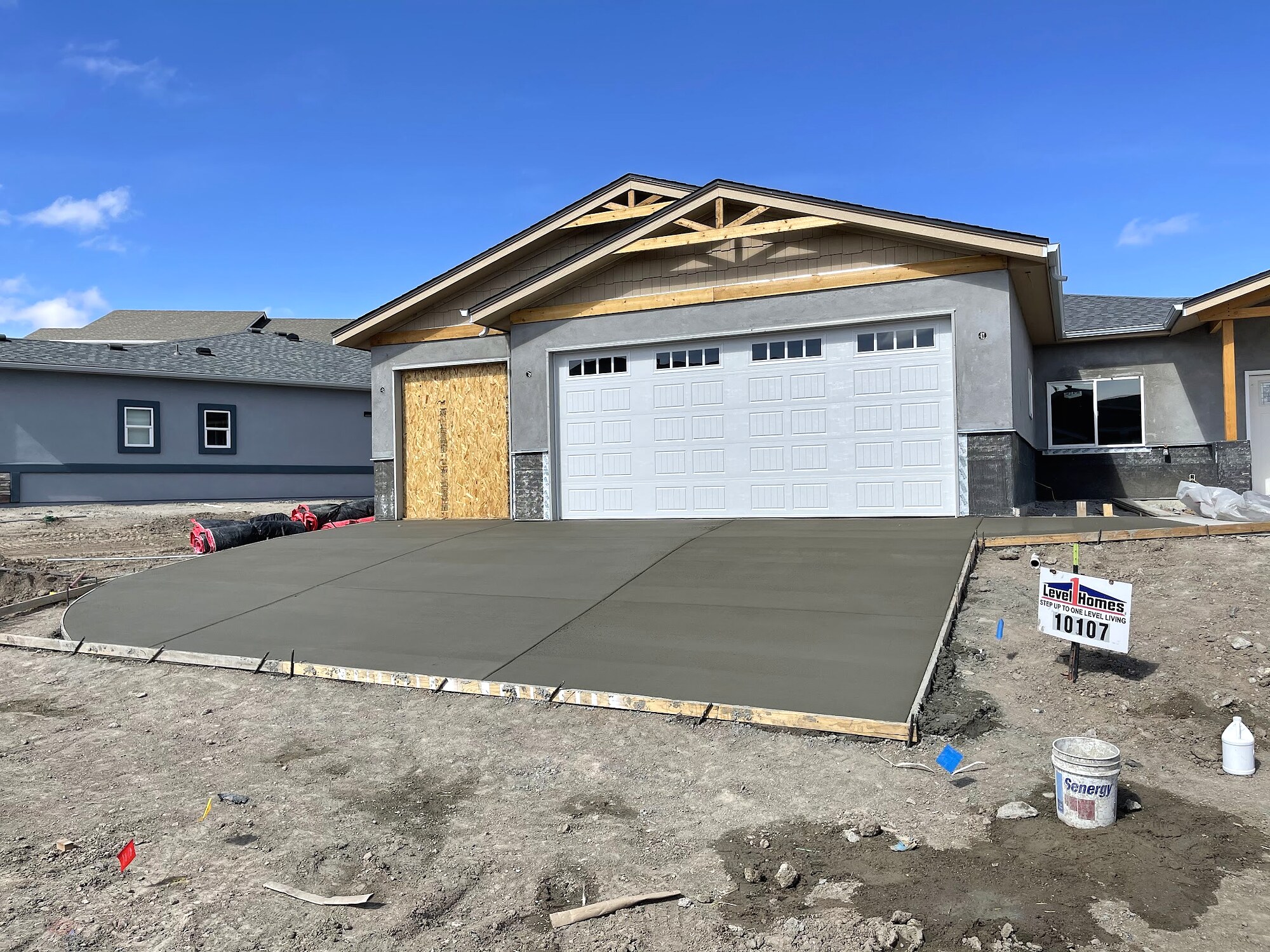
A slab placed in the current year has not reached its full durability. Deicers in that first winter are the fastest way to lose a surface that would otherwise have lasted decades.
- No deicers of any kind in the first winter
- Shovel or plow rather than melt
- Sand for traction, swept up in spring
- Keep piles of deicer treated snow off the slab
Tracked in deicer
Most driveway scaling starts where vehicles park, because road treatment melts off tires and sits on the slab. Rinsing those areas during winter warm spells reduces exposure.
Sealing
A quality penetrating sealer, applied after the first year and reapplied on schedule, reduces absorption of both water and deicer. It is maintenance, not a substitute for a correctly placed and cured slab.
Answers
Frequently asked questions
Is magnesium chloride safer for concrete than rock salt?
It is often marketed that way, but it is still a chloride based product and it still accelerates surface damage. Restraint matters more than which chloride is chosen.
What can I use instead of salt?
Sand for traction and mechanical removal for the snow itself. Sand does not melt ice, but it also does not attack the surface.
Ready to talk about your driveway?
Send the details and a few photos. We come out, explain everything in person, and follow up with a comprehensive proposal.
THE DRIVEWAY KING DIFFERENCE
Speak directly with the King about your driveway.